

Concrete Floor Machine: The Key Equipment for Modern Construction Projects
In the fast-evolving construction industry, concrete floor machines have become an indispensable tool for achieving efficiency, consistency, and structural reliability. Also known as precast panel machines, they are designed to manufacture different types of floor systems that meet the diverse needs of modern buildings. By combining automation with precision engineering, concrete floor machines ensure that construction projects are completed faster, with higher quality, and at a reduced overall cost.
Types of Concrete Floor Machines
Depending on the construction requirements and project scale, concrete floor machines can be classified into several categories. Each type offers unique advantages that make it suitable for specific applications:
1. Precast Concrete Floor Machine
This machine is primarily used to produce prefabricated floor slabs. The slabs are manufactured in a factory environment under strict quality control and then transported to the construction site for installation. This method significantly improves construction speed, reduces on-site workload, and minimizes errors caused by manual processes.
2. Cast-in-Place Concrete Floor Machine
Unlike the precast type, a cast-in-place concrete floor machine is used directly at the construction site. With the help of formwork and reinforcement such as steel mesh, concrete is poured and formed on site. This method is especially suitable for large floor areas and complex architectural designs where flexibility is essential.
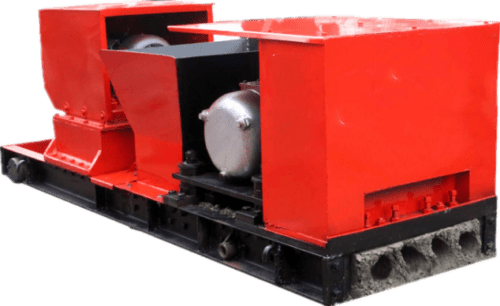
3. Porous or Hollow Core Floor Machine
This specialized machine is designed to produce hollow-core slabs. These panels maintain excellent strength while reducing overall weight and providing enhanced sound insulation. They are widely used in high-rise buildings, residential complexes, and commercial projects where lighter structures can reduce costs without compromising safety.
Key Advantages of Concrete Floor Machine
The adoption of concrete floor machines brings numerous benefits compared to traditional construction methods:
- High Efficiency
Concrete floor machines can operate continuously, enabling mass production of slabs. This greatly accelerates project timelines, allowing developers to deliver projects faster. - Superior Quality Control
Since precast slabs are manufactured in controlled environments, the quality of concrete floors is consistent and reliable. This minimizes construction defects and ensures long-term durability of the building structure. - Cost Reduction
Mechanized production reduces reliance on manual labor while minimizing material waste. With higher accuracy and repeatability, construction companies can cut down on both direct and indirect costs by 15–20%. - Design Flexibility
By adjusting molds and machine settings, manufacturers can produce concrete floor slabs in different shapes, sizes, and specifications. This adaptability makes it possible to meet the diverse requirements of residential, commercial, and industrial projects.
Step-by-Step Process of Using a Concrete Floor Machine
The production process of precast or cast-in-place floors using a concrete floor machine follows a systematic workflow:
- Preparation of Raw Materials
Ensure that cement, sand, gravel, and other raw materials are fully prepared according to the project’s design specifications. - Equipment Setup and Debugging
Start the machine and run initial checks to ensure all systems are functioning properly. Proper calibration of vibration and mixing systems is crucial. - Mixing and Pouring
The concrete raw materials are evenly mixed by the machine and poured into the designated mold or formwork. - Molding and Compaction
Through vibration, extrusion, or hydraulic compaction, the slab gradually takes shape. This step guarantees proper density and strength. - Curing and Demolding
Once the concrete achieves sufficient strength, the slab is demolded. Steam curing or controlled curing chambers may be used to enhance strength and durability. After demolding, the panels are ready for finishing or direct installation.
Applications of Concrete Floor Machine
Concrete floor machines are widely applied across different sectors of the construction industry:
- Residential Buildings – Production of slabs for floors, balconies, and basements.
- Commercial Projects – Fast-track construction of office complexes, shopping malls, and warehouses.
- Infrastructure – Application in bridges, tunnels, and large-scale public works.
- Industrial Facilities – Providing durable floors that withstand heavy loads and long-term use.
By meeting the needs of such diverse projects, concrete floor machine have become a key driver in the industrialization of modern construction.
Future Development Trends
The future of concrete floor machines is closely linked to smart manufacturing and green construction practices. With the integration of IoT systems, real-time monitoring, and AI-driven quality control, these machines will become more intelligent and efficient. Additionally, the use of eco-friendly materials and energy-saving curing systems will make them vital for achieving sustainable construction goals worldwide.
Conclusion
As the construction industry moves toward efficiency, sustainability, and industrialization, concrete floor machine are leading the transformation. They not only enhance productivity and reduce costs but also guarantee stable quality and design flexibility. Whether producing precast slabs in a factory or casting floors directly on-site, these machines provide contractors and developers with powerful solutions to meet the challenges of modern building projects.
👉 Henan Kelai Industrial Co., Ltd. specializes in manufacturing high-quality concrete floor machine, precast wall panel machines, hollow-core slab machines, and other advanced precast equipment. To learn more about our customized solutions, please visit:
🌐 www.kelaiii.com | www.cnkelaiii.com

 English
  Arabic
  French
  Russian
  Spanish
  Portuguese
  Turkish