

كيفية إنشاء ساحة خرسانة مسبقة الصب في كينيا: أفضل السبل
دليل ريادة الأعمال
يشهد مشهد البناء في جميع أنحاء شرق أفريقيا تحولاً هائلاً. فبدافع من برنامج كينيا الطموح للإسكان الميسور التكلفة (AHP) - الذي شهد دعماً مالياً كبيراً بما في ذلك تخصيص أكثر من 50 مليار شلن كيني في الميزانية الوطنية - يتعرض المطورون لضغوط هائلة. الهدف؟ تسليم مئات الآلاف من الوحدات السكنية اللائقة والميسورة التكلفة بسرعة وبتكلفة معقولة.
بالنسبة للمستثمرين ذوي البصيرة، تُترجم هذه الطفرة العقارية إلى فرصة عمل غير مسبوقة. فقد ثبت أن الخرسانة التقليدية المصبوبة في الموقع بطيئة للغاية وتتطلب عمالة كثيفة ومهدرة لمواكبة المتطلبات الحديثة. الحل الذي يسيطر على هذه الصناعة هو تكنولوجيا الخرسانة مسبقة الصب.
إذا كنت تتطلع إلى الاستفادة من هذا السوق الذي يدر ملايين الشلنات، فإن دليل خطة العمل خطوة بخطوة سيرشدك إلى كيفية إنشاء ساحة خرسانة مسبقة الصب في كينيا, والتنقل بين الموافقات التنظيمية، وتحسين تخطيطات المصانع، واختيار ماكينة تصنيع الألواح مسبقة الصب لضمان عائد سريع على الاستثمار (ROI).
1. لماذا تهيمن الخرسانة مسبقة الصب على طفرة البناء في شرق أفريقيا
قبل وضع رأس المال، من الأهمية بمكان فهم سبب ارتفاع الطلب المحلي على المكونات مسبقة الصب - مثل الألواح الأساسية المجوفة وألواح الجدران وأعمدة الجدران الحدودية - في نيروبي ومومباسا وفي جميع أنحاء شرق أفريقيا.
-
وفورات كبيرة في التكاليف: تعمل المكونات مسبقة الصب على تحسين استخدام المواد الخام، مما يقلل من نفايات الأسمنت والصلب بنسبة تصل إلى 201 تيرابايت 3 تيرابايت مقارنةً بالصب التقليدي في الموقع.
-
سرعة البناء السريع: ألواح الأرضيات مسبقة الصب تلغي الأسابيع اللازمة لإعداد القوالب الخشبية، وصبها، ومعالجة الخرسانة. يتم تصنيع الألواح في ساحة يتم التحكم فيها ونقلها إلى الموقع وتركيبها على الفور.
-
مراقبة الجودة الفائقة: تضمن عناصر التصنيع داخل ساحة المصنع المخصصة لذلك قوة هيكلية متناسقة وأبعاد دقيقة وتشطيبات لا تشوبها شائبة ترضي مفتشي البناء الصارمين.
2. دليل خطوة بخطوة لإطلاق ساحتك مسبقة الصب في كينيا
يتطلب إنشاء مصنع تخطيطاً استراتيجياً دقيقاً. دعنا نقسم المراحل الأساسية من الأرض الخام إلى أول عملية إنتاج تجارية.
الخطوة 1: اختيار الموقع وتخطيط المصنع
تتطلب ساحة الخرسانة الجاهزة الناجحة مساحة استراتيجية. ابحث عن قطعة أرض - من فدان إلى 3 أفدنة - تقع في ضواحي المناطق الحضرية المتنامية مثل ماشاكوس أو كيامبو أو كاجيادو.
-
الخدمات اللوجستية والوصول: تأكد من أن الموقع لديه إمكانية وصول المركبات الثقيلة إلى الطرق السريعة الرئيسية (مثل طريق مومباسا أو طريق ثيكا السريع) لنقل الركام الثقيل وتسليم الألواح الجاهزة.
-
البنية التحتية: إن الكهرباء عالية السعة على 3 مراحل ومصدر مياه موثوق به وعالي الكمية أمران غير قابلين للتفاوض لخلط الخرسانة ومعالجتها.
-
تخطيط الساحة: يجب تقسيم الفناء الخاص بك إلى مناطق وظيفية: تخزين المواد الخام (الرمل والصابورة وصوامع الأسمنت)، ومنطقة الخلط الآلي للخرسانة وأحواض الصب الطويلة، ومنطقة المعالجة المغطاة، وساحة تكديس واسعة للمنتجات النهائية.
الخطوة 2: التنقل في الموافقات التنظيمية والامتثال
يتطلب تشغيل ساحة صناعية ثقيلة في كينيا الحصول على التصاريح القانونية المناسبة لمنع عمليات الإغلاق المكلفة:
-
تسجيل الأعمال التجارية: سجِّل كيانك المؤسسي عبر خدمة تسجيل الشركات (BRS) على بوابة المواطن الإلكتروني.
-
ترخيص NEMA EIA: إنتاج الخرسانة عملية صناعية. يجب تعيين خبير معتمد لإجراء تقييم الأثر البيئي (EIA) والحصول على ترخيص من الهيئة الوطنية لإدارة البيئة (NEMA).
-
تصريح عمل المقاطعة: احصل على تصريح عمل موحد من حكومة مقاطعتك المعنية.
-
التسجيل في الهيئة الوطنية للمحاسبين الوطنيين: لتوريد مشاريع البناء الكبرى، قم بالتسجيل كمقاول أو مورد متخصص لدى الهيئة الوطنية للبناء (NCA).
الخطوة 3: الاستثمار في الآلات عالية الكفاءة
لا يمكن الاعتماد على مصنعك إلا بقدر موثوقية الآلات التي تشغله. للمنافسة على السعر والسلامة الهيكلية، يجب عليك الابتعاد عن القوالب اليدوية والاستثمار في ماكينات البثق أو ماكينات التشكيل الانزلاقي الآلية عالية الإنتاجية.
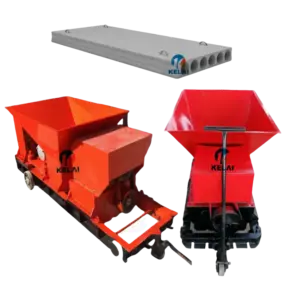
سيكون قلب عمليتك عبارة عن جهاز متين ماكينة تصنيع الألواح مسبقة الصب. بالنسبة للتخطيط القياسي لبدء التشغيل التجاري، تتضمن قائمة التحقق من المعدات الأساسية ما يلي:
1-مصنع خلط وخلاطة الخرسانة :مصنع خلط الخرسانةالمرحلة 1: تغذية المواد الخام。
3. الشراكة مع الشركة المصنعة للمعدات المناسبة: شركة Henan Kelai Industrial Co., Ltd.
إن الحصول على الماكينات من شركة تصنيع عالمية موثوق بها هو القرار الوحيد الأكثر أهمية لحماية استثماراتك الرأسمالية. شركة Henan Kelai Industrial Co., Ltd. (مع وجود بوابات رسمية على www.kelaiii.com و www.cnkelaiii.com) تبرز كشريك صناعي رئيسي للمستثمرين الأفارقة.
مع أكثر من 10 سنوات من التخصص الحصري في ماكينات الخرسانة مسبقة الصب، لا تبيع KELAI معدات مستقلة فحسب - بل تقوم بتصميم حلول خطوط إنتاج كاملة جاهزة مصممة خصيصًا لتلبية متطلبات التجارة الدولية.
لماذا يختار المنتجون في شرق أفريقيا آلات KELAI:
-
تقنية البثق عالي الكثافة: البثق و ماكينات صب بلاطات الأرضيات الخرسانية من نوع الصب تستخدم أنابيب ضغط ميكانيكية قوية وأنابيب اهتزاز داخلية غير مركزية. يحقق ذلك أقصى قدر من ضغط الخرسانة وقوة تحمل استثنائية، وهو ما يناسب تماماً الركام الخشن الشائع في شرق أفريقيا.
-
مصممة لعمر صناعي متين: تتميز ماكينات KELAI بمكونات من سبائك الصلب شديدة التحمل مصممة لعمر تشغيلي نموذجي يتراوح بين 8 إلى 12 عامًا مع الحد الأدنى من الصيانة العامة.
-
دعم خارجي سلس: بالنسبة للمستثمرين في نيروبي أو دار السلام القلقين بشأن التعقيدات التقنية، فإن KELAI تزيل الضغط من خلال توفير استشارات هندسية شاملة عن بُعد، وتخصيص كامل للتخطيط، ودعم التركيب الفني في الموقع.
بالإضافة إلى ماكينات الألواح المجوفة عالية الأداء، تتيح لك مجموعة ماكينات KELAI تنويع عروض منتجات الفناء الخاص بك بسهولة في أعمدة الجدران الحدودية عالية الهامش (أعمدة على شكل حرف H، وعوارض على شكل حرف T، وأعمدة على شكل حرف L) وخطوط ألواح الجدران الخرسانية خفيفة الوزن للاستحواذ على تدفقات إيرادات متعددة في السوق المحلية.
4. الأسئلة الشائعة (FAQ)
س1: ما هو الإطار الزمني النموذجي لعائد الاستثمار لساحة الخرسانة مسبقة الصب في كينيا؟
مع طلبات المشاريع المتسقة - مثل الحصول على عقد توريد لمشروعات سكنية محلية متعددة الطوابق أو مستودعات تجارية - تحقق معظم ساحات المشاريع مسبقة الصب المدارة جيدًا باستخدام الماكينات الآلية عائدًا كاملاً على الاستثمار في غضون من 18 إلى 24 شهرًا, بفضل التوفير الكبير في العمالة والقوالب الخشبية.
س2: هل يمكن تعديل ماكينة تصنيع الألواح مسبقة الصب لإنتاج سماكات مختلفة؟
تُصنع ماكينات البثق القياسية بمظهر قالب ثابت لضمان الكثافة الهيكلية. ومع ذلك, شركة Henan Kelai Industrial Co., Ltd. توفر خيارات تخصيص واسعة النطاق. إذا كان السوق الخاص بك يتطلب سماكات متعددة للبلاطات (على سبيل المثال، 120 مم للأرضيات السكنية مقابل 200 مم للمستودعات الصناعية)، يمكن لشركة KELAI تخصيص الماكينات أو توفير تكوينات إطارات قوالب متعددة الاستخدامات لتلبية احتياجاتك الخاصة من السعة.
س3: ما هي نسبة خلط الخرسانة المطلوبة للبلاطات المجوفة عالية الجودة؟
يتطلب بثق البلاطة المجوفة الأساسية مزيجًا خرسانيًا جافًا جدًا “بدون تكتل” بحيث يثبت الشكل المجوف تمامًا بعد مرور الماكينة مباشرةً. ويتطلب ذلك عادةً نسبة عالية من الأسمنت إلى الركام ونسبة منخفضة من الأسمنت إلى الماء (غالبًا ما تتراوح بين 0.30 و0.35)، ومواد ملدنة متخصصة لضمان سلاسة البثق وسرعة المعالجة المبكرة.
س4: كيف يمكنني التعامل مع الخدمات اللوجستية وتسليم العناصر مسبقة الصب إلى مواقع البناء المحلية؟
ستحتاج إلى شاحنة مسطحة مخصصة أو شاحنة رافعة (شاحنة ذات ذراع رافعة) للنقل المحلي. يجب تكديس الألواح بشكل أفقي في سرير الشاحنة مع وضع دوناج خشبي مخصص (كتل دعم) بشكل عمودي بين كل طبقة وأخرى لمنع التشقق أثناء النقل على الطرق الثانوية الوعرة أو غير الممهدة.
آلة بثق البلاطة الخرسانية مسبقة الصب للبيع | إنتاج بلاطة أرضية موثوقة - ماكينات كيلاي

 Arabic
  English
  French
  Russian
  Spanish
  Portuguese
  Turkish